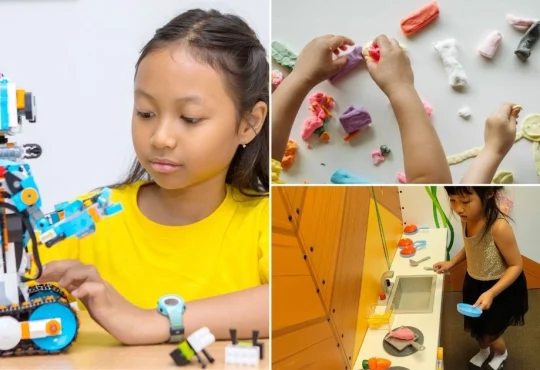


In today’s fast-changing toy market, few brands maintain the same level of trust, excitement, and educational value as LEGO. Parents and educators consistently highlight how building sets help children develop focus, creativity, and problem-solving skills while still feeling like pure fun. This is where the best LEGO for kids becomes more than just a product search phrase, but a reflection of how families choose meaningful play experiences that last.
Recent discussions across parenting communities, toy reviews, and educational insights point to a strong shift in how toys are evaluated. It goes beyond simple entertainment, focusing on learning value, screen-free engagement, and long-term developmental benefits that support growing minds. LEGO fits naturally into this trend, offering structured creativity that adapts across ages and interests. Even in 2026, LEGO remains one of the most recommended toys for children worldwide, especially when parents look for something both fun and future-focused.
Why LEGO Remains A Top Choice For Kids Today
LEGO continues to stand out by blending simplicity with endless creative possibilities. Unlike many toys that quickly lose appeal, LEGO sets evolve with a child’s imagination. A single box of bricks can become a city, a spaceship, or a fantasy world, depending on how the pieces are arranged.
Another key reason for its popularity is durability and consistency. LEGO bricks are designed to fit perfectly even decades apart, which means sets can be combined over time. This creates long-term value and encourages children to keep building rather than discarding older toys. Parents often appreciate that LEGO grows with their children instead of being replaced every year.

Modern toy reviews also emphasize how LEGO supports emotional development. Completing a build provides a sense of achievement that builds confidence. This is especially important in a world where children are increasingly exposed to fast-paced digital entertainment that rarely rewards patience or focus.
How Experts And Parents View LEGO In Modern Play
Educational experts consistently highlight LEGO as a powerful learning tool disguised as play. It helps children develop spatial awareness, logical thinking, and fine motor skills without feeling like formal learning. Teachers often integrate LEGO into classroom activities to make abstract concepts more tangible.
Parents also appreciate how LEGO encourages independent play. Instead of relying on screens or constant supervision, children can spend extended periods building and experimenting on their own. This kind of focused play is becoming increasingly valuable as families seek healthier alternatives to digital entertainment.
In recent toy industry reports and parenting discussions, LEGO is frequently described as one of the few toys that successfully bridges generations. Many adults who played with LEGO as children now share that experience with their own kids, creating a bonding activity that feels timeless.
Best LEGO For Kids By Age: 4, 6, 8, And Beyond Explained
Choosing the right LEGO set depends heavily on age and developmental stage. Understanding how complexity increases over time helps ensure that children stay engaged without feeling overwhelmed or bored.
LEGO For Ages 4–5: Simple Builds And Early Creativity
At this stage, LEGO sets are designed with larger bricks and simpler instructions. These sets focus on basic building skills and imaginative play rather than complex construction.
Children benefit from colorful themes like animals, houses, and simple vehicles. The goal is to introduce structure while still allowing freedom. Many parents notice that children at this age enjoy rebuilding sets multiple times in different ways, which strengthens creativity and confidence.
LEGO For Ages 6–7: Early Structure And Storytelling
At this level, LEGO becomes slightly more structured. Instructions introduce step-by-step building, but remain easy to follow. Themes often include city life, rescue missions, and fantasy adventures.
Children begin to connect storytelling with building. A simple police station or fire truck becomes part of a larger imaginative world. This stage is important because it builds patience and attention to detail while keeping play enjoyable.
LEGO For Ages 8–10: Advanced Builds And Problem Solving
At this stage, LEGO sets become more detailed and technically challenging. Children start working with smaller pieces and more complex instructions.
This is where logical thinking really develops. Sets often include moving parts, mechanical features, and multi-step assembly processes. Many parents notice increased focus and persistence as children work through more difficult builds.
LEGO For Ages 10 And Beyond: Creativity Meets Engineering
Older children and pre-teens often move into advanced LEGO sets that resemble real-world architecture, vehicles, or intricate fantasy scenes. These builds require patience, planning, and problem-solving.
This stage is where LEGO begins to feel like engineering. Some sets even introduce motorized components or programmable features. It is often recommended for children who enjoy challenges and long-form building projects.
Best LEGO For Kids For Creativity And Learning Development
LEGO plays a strong role in developing creativity because it does not impose strict rules on how something should look. Instead, it encourages experimentation. Children learn that there are multiple ways to solve a problem or complete a design.
This open-ended structure also supports critical thinking. When a build does not work, children naturally adjust and try again. This trial-and-error process builds resilience and logical reasoning without pressure.

In addition, LEGO supports collaboration. Many families use LEGO as a shared activity, allowing siblings, parents, and children to build together. This strengthens communication skills and encourages teamwork in a relaxed environment.
Most Popular LEGO Themes That Keep Kids Engaged
City And Everyday Life Themes
City-themed sets allow children to build realistic environments such as police stations, hospitals, and construction sites. These sets help children understand how communities function while encouraging imaginative storytelling.
Technic And Engineering Sets
Technic sets introduce mechanical movement and more advanced building techniques. These are often preferred by older children who enjoy technical challenges and realistic models.
Fantasy And Adventure Themes
Themes inspired by fantasy worlds, space exploration, and adventure stories remain highly popular. They allow children to escape into imaginative worlds while building detailed scenes.
Licensed Themes Like Star Wars And Others
Licensed LEGO sets based on popular franchises such as Star Wars remain strong favorites. These sets combine storytelling with construction, making them highly engaging for fans of those universes.
Safety, Quality, And Why LEGO Still Leads The Market
One of LEGO’s strongest advantages is its consistent safety and quality standards. Each brick is carefully tested to ensure durability and safe use for children. This level of reliability has helped LEGO maintain its position as a global leader in construction toys.
Unlike many cheaper alternatives, LEGO bricks maintain precision across all sets. This ensures compatibility and prevents frustration during building. Parents often view this as a long-term investment rather than a short-term purchase.
Industry reviews and consumer feedback consistently highlight LEGO’s commitment to quality control and innovation. Even as new competitors enter the market, LEGO continues to evolve while maintaining its core design principles.
Tips For Choosing The Right LEGO Set
Selecting the right LEGO set depends on a child’s age, interest, and skill level. A set that is too simple may become boring quickly, while one that is too advanced may cause frustration.
It is also helpful to consider long-term play value. Sets that can be rebuilt or expanded offer more engagement over time. Many families prefer modular sets that can connect with others.
Another important factor is interest alignment. Choosing themes that match a child’s hobbies, such as vehicles, animals, or fantasy stories, significantly increases engagement and enjoyment.
How LEGO Supports STEM Learning And Problem Solving
LEGO is widely recognized as a powerful STEM learning tool. It introduces basic engineering and physics concepts in a hands-on, natural, and fun way.
Children learn about balance, structure, and mechanics as they build. This helps develop an intuitive understanding of how things work in real life. Even simple builds teach important lessons about stability and design.

In more advanced sets, children are introduced to programming and robotics concepts. This prepares them for future learning in technology and engineering fields without formal instruction.
Common Mistakes Parents Make When Buying LEGO
One common mistake is choosing sets that are too advanced for a child’s age. This can lead to frustration and reduced interest in building. Matching complexity with skill level is essential.
Another mistake is focusing only on popular themes rather than the child’s personal interests. While licensed sets are appealing, they may not always offer the best long-term engagement.
Some parents also overlook the importance of open-ended play. Sets that encourage creativity beyond instructions often provide more value than highly structured builds.
Frequently Asked Questions
- What Is The Best LEGO For Kids By Age?
The best LEGO sets vary by age. Younger children usually start with LEGO DUPLO for bigger, easier-to-handle pieces, while older kids move on to LEGO City, Technic, and more detailed themed builds.
- Is LEGO Good For Learning?
Yes, LEGO is great for learning because it supports STEM skills, creativity, problem-solving, and fine motor development through hands-on, interactive play.
- Which LEGO Themes Are Most Popular?
Popular LEGO themes include City, Technic, Friends, Star Wars, and fantasy-inspired sets, offering a wide range of play styles and building experiences for different interests.
- Is LEGO Safe For Young Children?
Yes, LEGO meets strict international safety standards. Sets designed for younger children use larger bricks to reduce choking hazards and ensure safe play.
- Why Is LEGO Still So Popular Today?
LEGO stays popular because it blends creativity, durability, and education while constantly evolving with new themes, technology, and storytelling experiences.
Why LEGO Continues To Shape Modern Childhood
LEGO remains one of the most trusted and versatile toys in the world because it successfully balances fun, learning, and creativity. It adapts to different age groups, supports development, and continues to evolve with modern play trends. As families increasingly prioritize meaningful and educational toys, LEGO stands out as a consistent choice that grows with children. Whether for early learning, advanced building, or creative storytelling, it continues to hold a strong place in homes worldwide.