

Finding the right educational toys for 2 year olds can feel overwhelming, especially with so many options claiming to boost learning and development. At this stage, toddlers are curious, active, and constantly exploring their environment. The best toys are not just entertaining. They help build essential skills while keeping play simple and engaging. This is why many parents and caregivers are now focusing on screen-free options that support hands-on learning.
Recent parenting reviews and child development features in 2026 highlight a clear shift toward more intentional toy choices. Instead of flashy, noisy gadgets, there is growing interest in educational toys that encourage creativity, movement, and problem-solving. These toys are designed to support real-world learning through play, helping children develop motor skills, language, and early thinking abilities.
At the same time, there is increasing awareness of how early play shapes long-term development. Educational toys for kids are no longer just about keeping children busy. They are about building a strong foundation for learning in a way that feels natural and enjoyable. Choosing the right toys can make a noticeable difference in how toddlers grow, interact, and explore the world around them.
Why Educational Toys Matter At Age Two
At two years old, children are in a critical stage of development. They are learning how to communicate, move with more coordination, and understand cause and effect. Educational toys play a key role during this phase by supporting these skills in a fun and interactive way.
Educational toys help toddlers practice everyday abilities such as stacking, sorting, and recognizing shapes or colors. These simple activities may seem basic, but they are essential for cognitive growth. They also encourage independence, allowing children to explore and learn at their own pace without constant guidance.
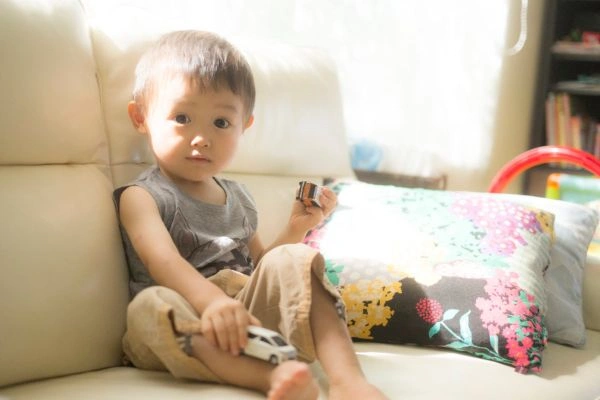
Another important benefit is emotional development. Toys that involve problem-solving or imaginative play help toddlers build confidence. When a child completes a simple task, it creates a sense of achievement that encourages further learning. This is one of the reasons why well-designed educational toys are so valuable at this age.
What To Look For In Educational Toys For 2 Year Olds
Choosing the right educational toys for 2 year olds involves more than just picking something colorful or popular. The best toys are designed with specific developmental goals in mind while remaining safe and easy to use.
Key Features To Consider
- Safe materials and rounded edges
- Simple designs that are easy to understand
- Bright but not overwhelming colors
- Interactive elements that encourage movement
- Durable construction for everyday use
Toys should match a toddler’s current abilities while offering room for growth. If a toy is too complex, it can lead to frustration. If it is too simple, it may not hold attention for long. Finding the right balance is essential for keeping play both fun and meaningful.
It is also important to consider how a toy fits into daily routines. Educational toys that can be used in different ways tend to offer more value over time. Versatile designs encourage repeated use, thereby reinforcing learning.
Building Fine Motor Skills Through Play
Fine motor skills are essential for everyday tasks such as holding objects, drawing, and eventually writing. Educational toys designed for this purpose focus on hand-eye coordination and finger strength.
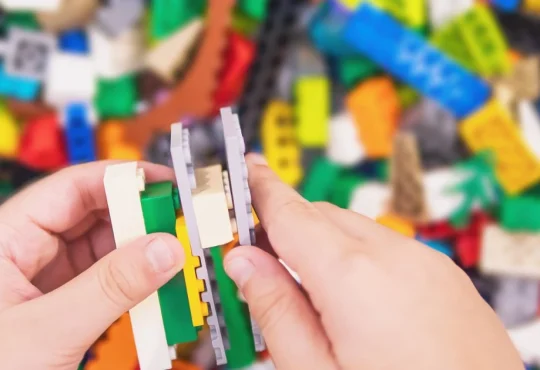
Toys like stacking blocks, shape sorters, and simple puzzles are especially effective. They encourage toddlers to grasp, place, and manipulate objects in a controlled way. These small movements help strengthen muscles and improve coordination over time.
Many reviews highlight how consistent use of these toys leads to noticeable improvements in dexterity. Even simple actions, such as placing a block on top of another, require concentration and control. This makes fine motor development one of the most important benefits of educational toys.
Encouraging Language And Communication Skills
Language development is another major focus at this age. Educational toys that include sounds, words, or interactive storytelling elements can help toddlers expand their vocabulary.
Picture books, talking toys, and flashcards are commonly recommended options. These tools introduce new words in a playful context, making learning feel natural rather than structured. Repetition plays a key role here, as hearing and seeing the same words multiple times helps with retention.
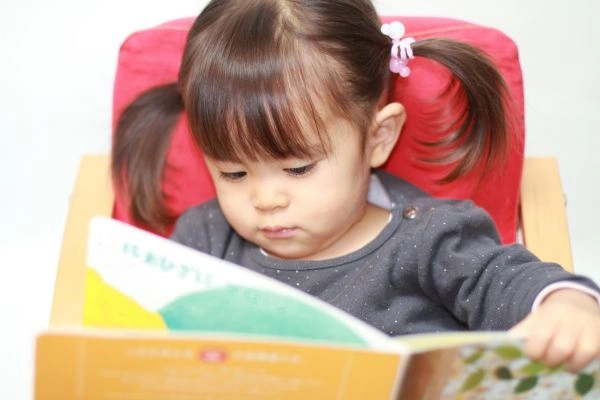
Toys that encourage interaction with caregivers are especially effective. Simple activities like naming objects or describing actions can significantly boost language skills. This type of engagement turns playtime into a learning opportunity without feeling like a lesson.
Problem Solving And Early Thinking Skills
Educational toys often include elements that challenge toddlers to think and solve simple problems. These activities help build early reasoning skills that will be important later in life.
Shape sorters and matching games are great examples. They require children to recognize patterns, compare objects, and make decisions. Even though the challenges are simple, they introduce the concept of problem-solving in a way that feels approachable.
As toddlers interact with these toys, they begin to understand cause and effect. For example, placing the correct shape into its matching slot results in a successful outcome. This reinforces learning and encourages further exploration.
Imaginative Play And Creativity
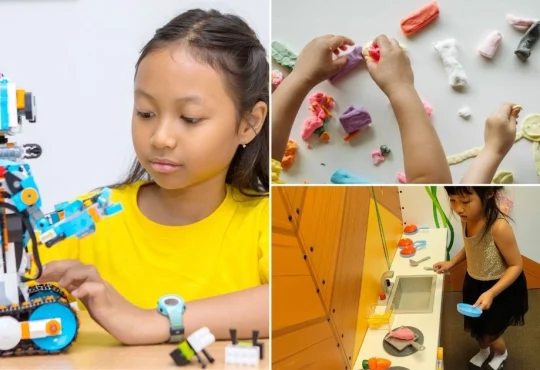
Imaginative play is an essential part of early childhood development. It allows toddlers to explore ideas, express emotions, and create their own stories. Educational toys that support this type of play include pretend kitchens, dolls, and playsets. These items encourage role-playing, which helps children understand social interactions and everyday situations.
Creativity also plays a role in cognitive development. When toddlers use their imagination, they learn to think beyond what is directly in front of them. This type of play supports flexibility in thinking and helps build confidence in expressing ideas.
The Role Of Screen-Free Play
Screen-free play has become a major focus in recent parenting discussions. Many experts recommend limiting screen time for toddlers and encouraging hands-on activities instead. Educational toys offer a simple way to support this approach. They provide engaging alternatives that keep children active and involved. Unlike screens, these toys require physical interaction, which is essential for development.
Parents and caregivers are increasingly choosing toys that promote movement, creativity, and real-world interaction. This shift reflects a broader understanding of how early experiences shape learning and behavior.
Popular Educational Toy Brands To Know
Several well-known brands continue to lead the market in educational toys for kids. These companies are recognized for their focus on quality, safety, and developmental value.
- Fisher-Price offers a wide range of toys designed for early learning, including interactive playsets and activity centers. Its products are known for being durable and easy to use.
- Melissa & Doug focuses on wooden toys and creative play. Its puzzles, pretend play sets, and art supplies are often recommended for their simplicity and quality.
- LeapFrog specializes in interactive learning toys that combine play with early education concepts. These products often include sound and light features that engage young children.
- VTech is known for electronic learning toys that introduce numbers, letters, and basic problem-solving skills in a fun way.
These brands are frequently mentioned in reviews for their ability to balance entertainment with educational value.
How To Build A Balanced Toy Collection
A well-rounded selection of educational toys helps support different areas of development. Instead of focusing on one type of toy, it is helpful to include a variety of options.
Essential Categories To Include
- Fine motor skill toys
- Language and communication tools
- Problem-solving games
- Imaginative play items
- Movement-based toys
This mix ensures that toddlers have opportunities to develop multiple skills through play. It also keeps playtime interesting, reducing the likelihood of boredom.
Rotating toys can also be effective. Introducing different options over time keeps children engaged and allows them to revisit toys with new skills and understanding.
Common Mistakes To Avoid When Choosing Toys
Even with the best intentions, certain mistakes can make a toy less useful for a toddler.
What To Avoid
- Choosing toys that are too advanced
- Overloading with too many features
- Prioritizing trends over quality
- Ignoring safety standards
- Selecting toys with limited use
Simple toys often provide more value than complex ones. They allow children to focus on play rather than figuring out how the toy works.
It is also important to consider long-term use. Toys that grow with the child tend to be more beneficial and cost-effective.
Educational Toys For 2 Year Olds And Everyday Learning
Educational toys for 2 year olds are most effective when they are part of daily routines. Playtime does not need to be structured or formal to be meaningful.
Simple interactions, such as stacking blocks or reading a short book, can support learning in a natural way. These moments add up over time, helping toddlers build skills gradually.
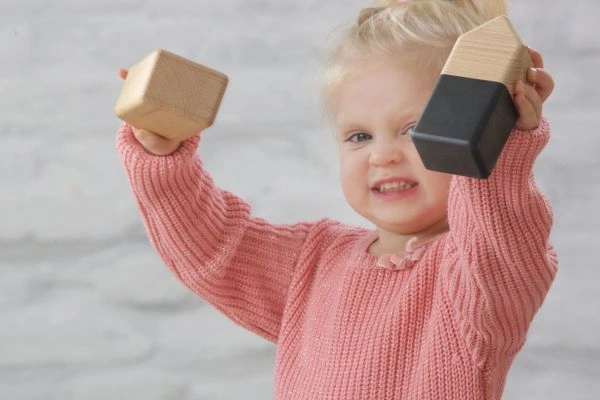
Consistency is key. Regular play with educational toys reinforces learning and helps children feel more comfortable exploring new ideas. This makes everyday activities an important part of early development.
Frequently Asked Questions
- What Are The Best Educational Toys For 2 Year Olds?
The best options include stacking toys, shape sorters, simple puzzles, and pretend play sets that support motor skills, early language, and creativity.
- Why Are Educational Toys Important For Toddlers?
Educational toys help build coordination, communication, and problem-solving skills through hands-on, engaging play.
- Are Screen-Free Toys Better For Development?
Yes, screen-free toys encourage active play, which supports both physical and cognitive development more effectively than passive screen time.
- How Many Toys Does A 2 Year Old Need?
A small, thoughtfully chosen selection is often better than a large collection, as quality and variety matter more than quantity.
- How Do You Choose Safe Educational Toys?
Choose toys made from non-toxic materials with sturdy construction and age-appropriate designs that avoid small parts.
Final Thoughts On Educational Toys
Educational toys continue to play a major role in early childhood development. They support learning in a way that feels natural, helping toddlers build important skills without pressure. By focusing on simple, engaging, and well-designed toys, it becomes easier to create a play environment that encourages growth and curiosity. This approach not only supports development but also makes playtime more meaningful and enjoyable.