

Children’s picture books have always played a quiet but powerful role in early learning, and recent reading habits show this remains true today. Families are increasingly choosing children’s picture books to support imagination, language development, and emotional understanding without relying on screens. These books are more than simple bedtime stories. They are tools that help children connect ideas, explore emotions, and understand the world in a gentle, visual way.
Across recent reading trends and children’s literature reviews, there is a clear shift toward stories that feel interactive, visually rich, and emotionally grounded. The best picture books today are not just entertaining. They are carefully crafted to support attention span, creativity, and early literacy skills. Whether read at bedtime or during quiet play, these books create shared moments that feel both calming and meaningful.
There is also a growing awareness around how early reading habits shape long-term learning. Parents and educators are paying closer attention to book quality, illustration style, and storytelling depth. As a result, children’s picture books are becoming a key part of early development routines, often chosen with the same care as educational toys or learning activities.
Why Children’s Picture Books Matter More Than Ever
Early Learning Through Visual Storytelling
Children process images faster than text, which is why picture books are so effective during early development. Bright illustrations paired with simple storytelling help children understand emotions, actions, and relationships in a natural way. Instead of overwhelming young readers with complex language, these books introduce ideas step by step.
Recent reading-focused discussions highlight how visual storytelling supports memory and comprehension. When children follow a character through a story, they learn to predict outcomes and recognize patterns. This helps build early cognitive skills without feeling like structured learning.
Emotional Growth Through Stories
Many modern children’s picture books focus on feelings such as kindness, sharing, patience, and confidence. These themes help children recognize emotions in themselves and others. Stories about everyday situations like making friends or trying something new can be especially powerful.
This emotional connection is one reason picture books remain essential even in a digital world. They create safe spaces for children to explore big feelings through simple narratives. Over time, this supports emotional intelligence and social understanding.
Building Early Language Skills
Language development is one of the strongest benefits of regularly reading children’s picture books. Repeated words, rhythmic sentences, and predictable story patterns help children absorb vocabulary naturally. Even before they can read independently, they begin recognizing sounds and meanings.
Many reading specialists emphasize that daily exposure to picture books helps strengthen speech development. Hearing stories read aloud also improves listening skills and attention span, both of which are important for later academic learning.
Classic Children’s Picture Books That Remain Loved
Some children’s picture books have remained popular for decades because of their timeless themes and simple storytelling style. These books continue to appear in reading lists because they resonate across generations.
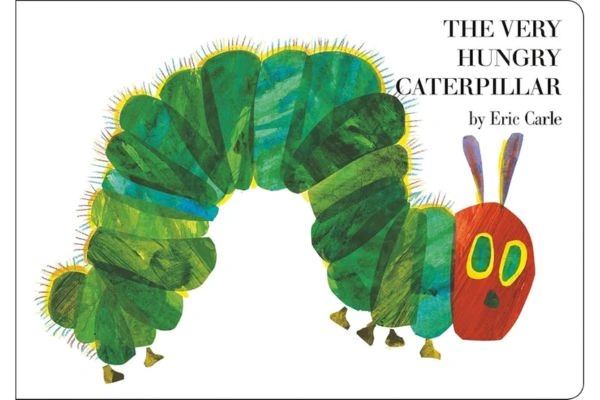
1. The Very Hungry Caterpillar By Eric Carle
Published by Penguin imprint, this classic is known for its colorful collage-style illustrations and simple storytelling. It teaches counting, days of the week, and transformation in a way that feels playful and easy to follow.
2. Where The Wild Things Are By Maurice Sendak
This story blends imagination with emotional exploration. It introduces the idea of navigating feelings like anger and comfort through a fantasy adventure. The illustrations play a major role in shaping the story’s emotional tone.
3. Goodnight Moon By Margaret Wise Brown
A bedtime favorite, this book uses repetition and calming rhythm to help children transition into sleep. Its simple illustrations encourage focus and relaxation.
4. Brown Bear, Brown Bear, What Do You See? By Bill Martin Jr. And Eric Carle
This rhythmic story helps children recognize animals and colors through repetition. It is often used in early classrooms for language development.
Modern Children’s Picture Books That Encourage Creativity
Recent years have introduced a wave of children’s picture books that feel more interactive and emotionally aware. These books often feature diverse characters, real-world situations, and playful storytelling.
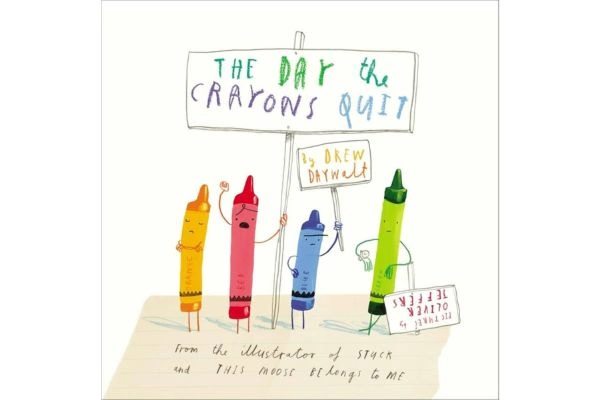
5. The Day The Crayons Quit By Drew Daywalt
Published by Philomel Books, this story uses humor and creativity to explore perspective. Each crayon expresses its feelings, helping children understand emotional expression in a fun way.
6. Ada Twist, Scientist By Andrea Beaty
Part of the Questioneers series, this book encourages curiosity and problem-solving. It highlights persistence and scientific thinking in a way that feels accessible to young readers.
7. Last Stop On Market Street By Matt De La Peña
This award-winning book focuses on everyday beauty and gratitude. It encourages children to notice small moments in daily life.
8. Dragons Love Tacos By Adam Rubin
A playful story that mixes humor with imagination. It shows how simple ideas can become engaging adventures through creative storytelling.
How Picture Books Support Early Development
Cognitive Growth Through Repetition
Repetition is a key feature in many picture books. It helps children recognize patterns, remember phrases, and anticipate what happens next. This strengthens memory and comprehension skills.
Stories that repeat phrases or structure allow children to participate actively during reading. This builds confidence and makes reading feel interactive rather than passive.
Creativity And Imagination Building
One of the strongest benefits of children’s picture books is their ability to spark imagination. Whether it is talking animals, magical worlds, or everyday adventures, these stories encourage children to think beyond reality.
Imaginative thinking supports problem-solving skills later in life. When children explore “what if” scenarios in books, they begin developing flexible thinking patterns.
Attention Span And Focus
Short stories with strong visual elements help improve attention span. Children learn to follow a narrative from beginning to end, which builds focus over time.
This is especially important in the early developmental stages, when attention naturally shifts quickly. Picture books provide structure without pressure.
Choosing The Right Children’s Picture Books
Age-Appropriate Content
Not all children’s picture books are suitable for every age. Books for younger toddlers usually feature simple words, bold images, and repetitive patterns. Older children may enjoy more detailed stories with slightly longer sentences.
Matching the book to the child’s developmental stage ensures better engagement and understanding.
Illustration Style
Illustrations play a major role in how children connect with a story. Bright, clear visuals tend to hold attention better. However, softer and more detailed artwork can also support emotional storytelling.
Many modern picture books balance both styles, offering visual depth while keeping clarity.
Story Themes
Themes such as friendship, kindness, bravery, and curiosity are commonly found in popular children’s picture books. These themes help children relate stories to real-life situations.
Books that reflect everyday experiences often feel more meaningful and easier to understand.
Benefits Of Reading Children’s Picture Books Daily
Stronger Parent-Child Bonding
Reading together creates shared moments of connection. It allows children to feel safe and supported as they explore stories.
Even a few minutes of reading each day can strengthen communication and emotional bonds.
Early Literacy Development
Regular exposure to children’s picture books helps children understand how language works. They naturally begin recognizing letters, sounds, and sentence patterns.
This early foundation supports future reading skills in school.
Reduced Screen Dependence
With increasing focus on screen-free learning, picture books offer a calming alternative. They encourage imagination without digital stimulation.
This helps create healthier routines around play and learning.
The Role Of Picture Books In Modern Learning
Modern education systems continue to recognize the importance of picture books in early childhood learning. Many classrooms use them to introduce new topics in a simple, engaging way.
Classroom Learning Tool
Teachers often use children’s picture books to explain complex ideas in a visual format. This helps children grasp concepts more easily.
Stories can also support lessons in science, emotions, and social behavior.
Home Learning Support
At home, picture books serve as everyday learning tools. They require no setup and can be used at any time of day.
This flexibility makes them one of the most accessible learning resources for young children.
Featured Children’s Picture Books List
A mix of classic and modern children’s picture books continues to shape reading habits. Some widely recognized examples include:
- Where The Wild Things Are
- Goodnight Moon
- Brown Bear, Brown Bear, What Do You See?
- The Day The Crayons Quit
- Ada Twist, Scientist
- Dragons Love Tacos
- Last Stop On Market Street
- Don’t Let The Pigeon Drive The Bus
- Press Here By Hervé Tullet
These books are widely referenced in literacy discussions for their storytelling quality, accessibility, and educational value.
Frequently Asked Questions
- What Are The Best Children’s Picture Books For Learning?
The best Children’s picture books include simple stories with strong visuals, repetitive text, and relatable themes that support early literacy and emotional growth.
- Why Are Picture Books Important For Children?
Picture books help develop language skills, imagination, attention span, and emotional understanding through visual storytelling and simple narratives.
- When Should Children Start Reading Picture Books?
Children can start enjoying Children’s picture books as early as infancy, with age-appropriate visuals and short, simple text.
- How Often Should Children Read Picture Books?
Daily reading is ideal. Even short sessions help improve language development, focus, and parent-child bonding.
- Do Picture Books Help With School Readiness?
Yes, Children’s picture books support early literacy, comprehension, and attention skills, which are essential for school readiness.
Final Thoughts On Children’s Picture Books
Children’s picture books remain one of the most valuable tools for early learning and emotional development. They combine storytelling, visual engagement, and language growth in a way that feels natural and enjoyable. As reading habits continue to evolve, picture books remain a strong presence in homes and classrooms. Their ability to spark imagination while supporting foundational skills makes them a timeless part of childhood learning.